Hemanth Vishnu Advisory

Know what the evidence supports

Review security controls or supplier evidence against agreed criteria, with clear findings, open questions and recommended actions.

Look beyond the paperwork

A useful review connects the evidence with the decision your business needs to make. It explains which controls are demonstrated, where information is missing and what needs closer attention.

The work can focus on selected internal controls or a supplier’s security evidence. Its value comes from clear criteria, relevant records and findings that show both what is known and what remains uncertain.

This service can help when:

  • A supplier decision needs a clearer view of the security evidence
  • You want to understand whether selected controls are demonstrated
  • Policies, questionnaires or assurances leave important questions unanswered
  • Existing findings need clarification and an agreed plan for follow-up

Practical evidence reviews

Define the question and criteria

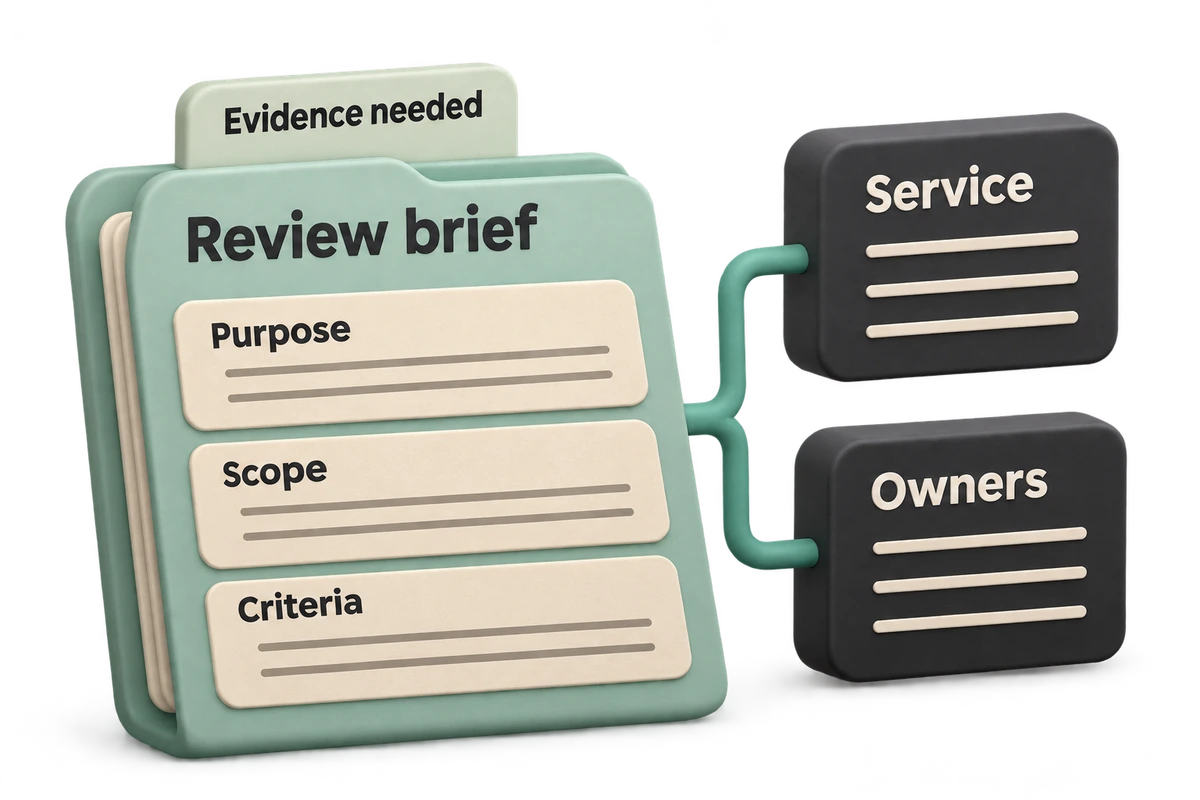
Agree the purpose of the review, the systems or service in scope and the criteria the evidence will be examined against. For supplier work, understand the service involved and the information or access on which your business depends.

Identify the people, records and responsibilities needed for the review. Check independence and potential conflicts before work begins, and make the intended coverage clear so the findings can be read in context.
Review the evidence in context

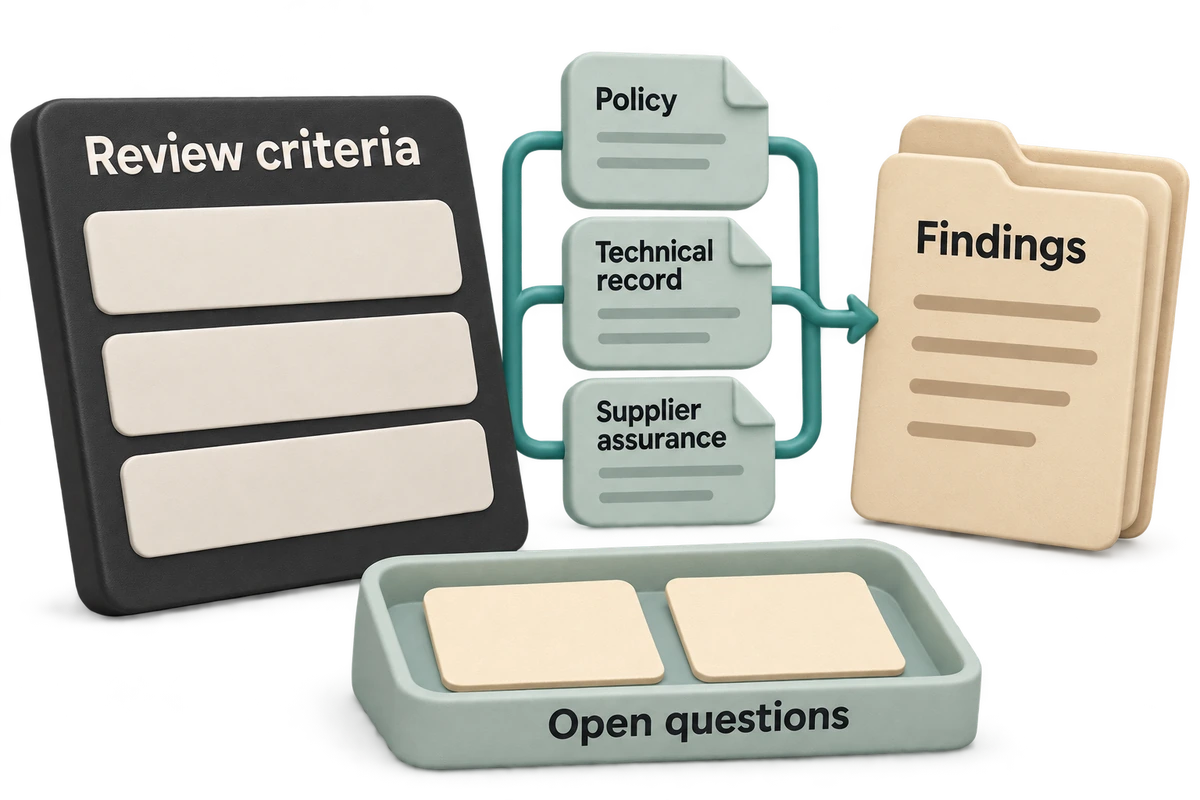
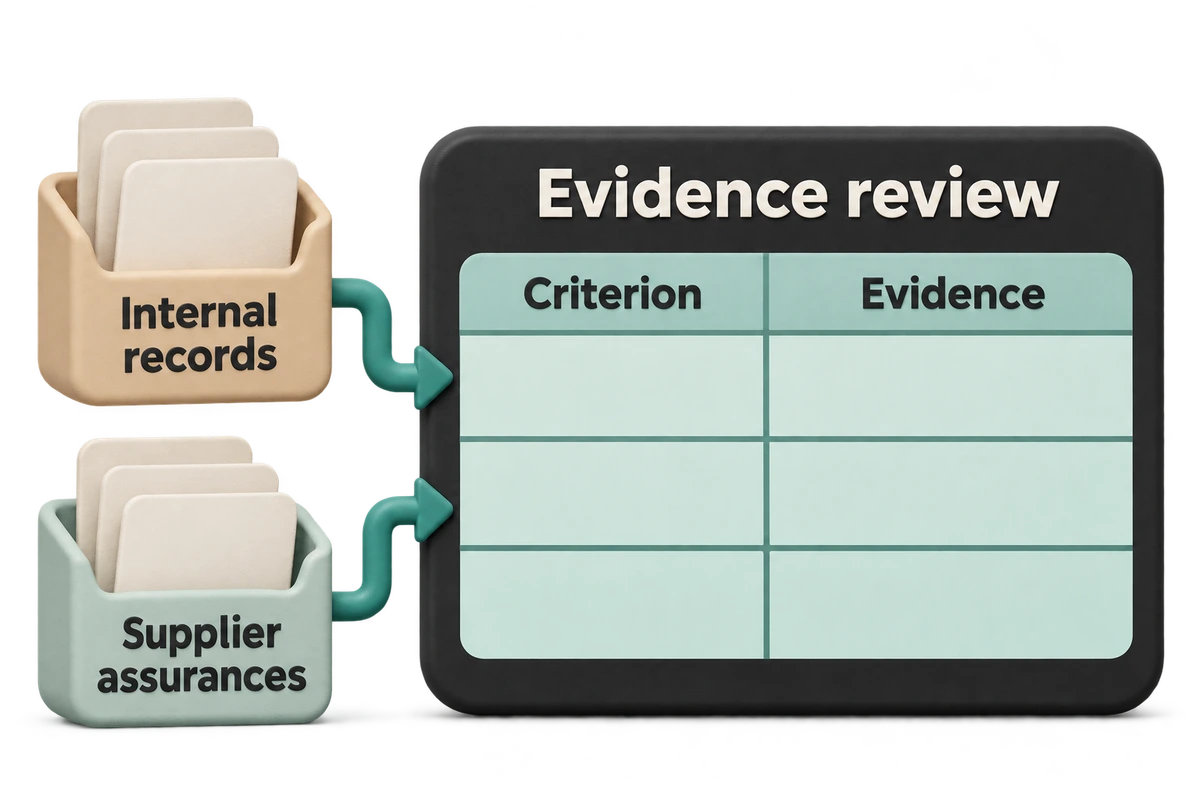
Review the selected policies, technical records, questionnaires and supplier assurances against the agreed criteria. Connect each relevant record with the control or requirement it helps explain.

Consider whether the material relates to the organisation, service and period under review, and where more detail is needed. A policy can describe an intended approach; supporting records help show how that approach is put into practice. The findings make that distinction clear.

Clarify gaps with the right owners

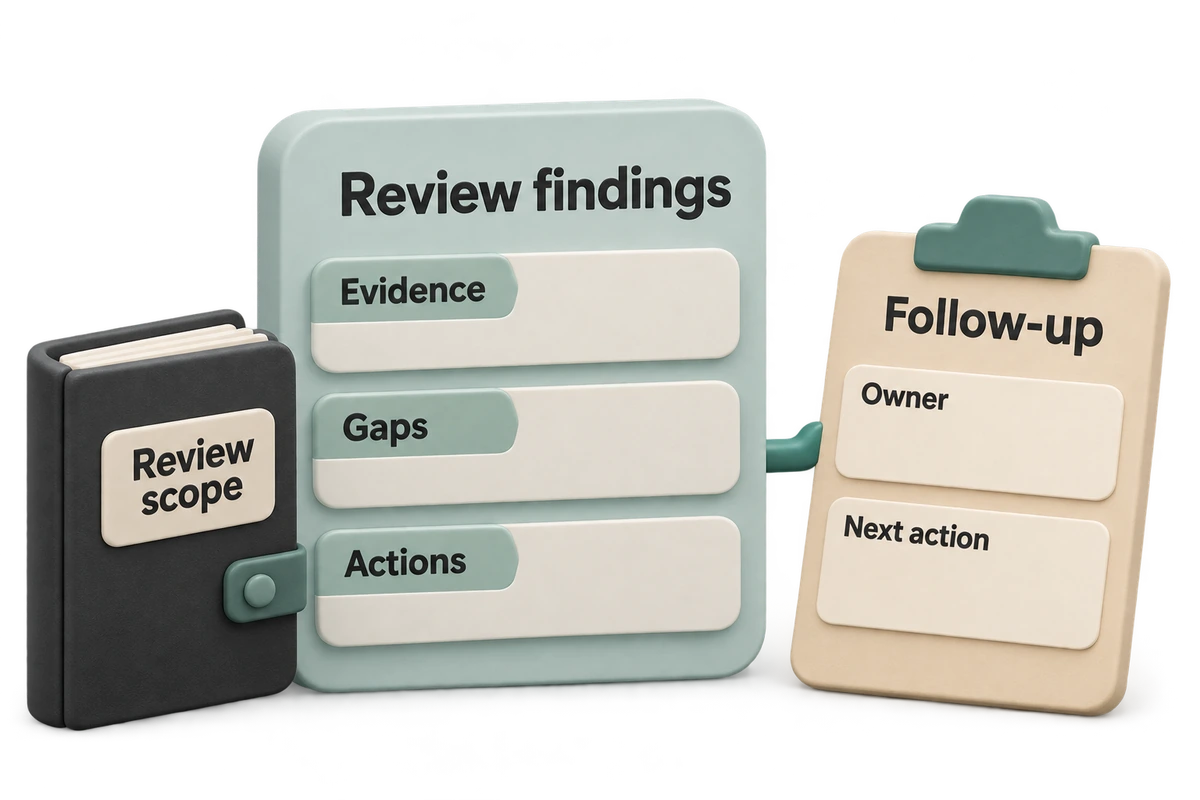
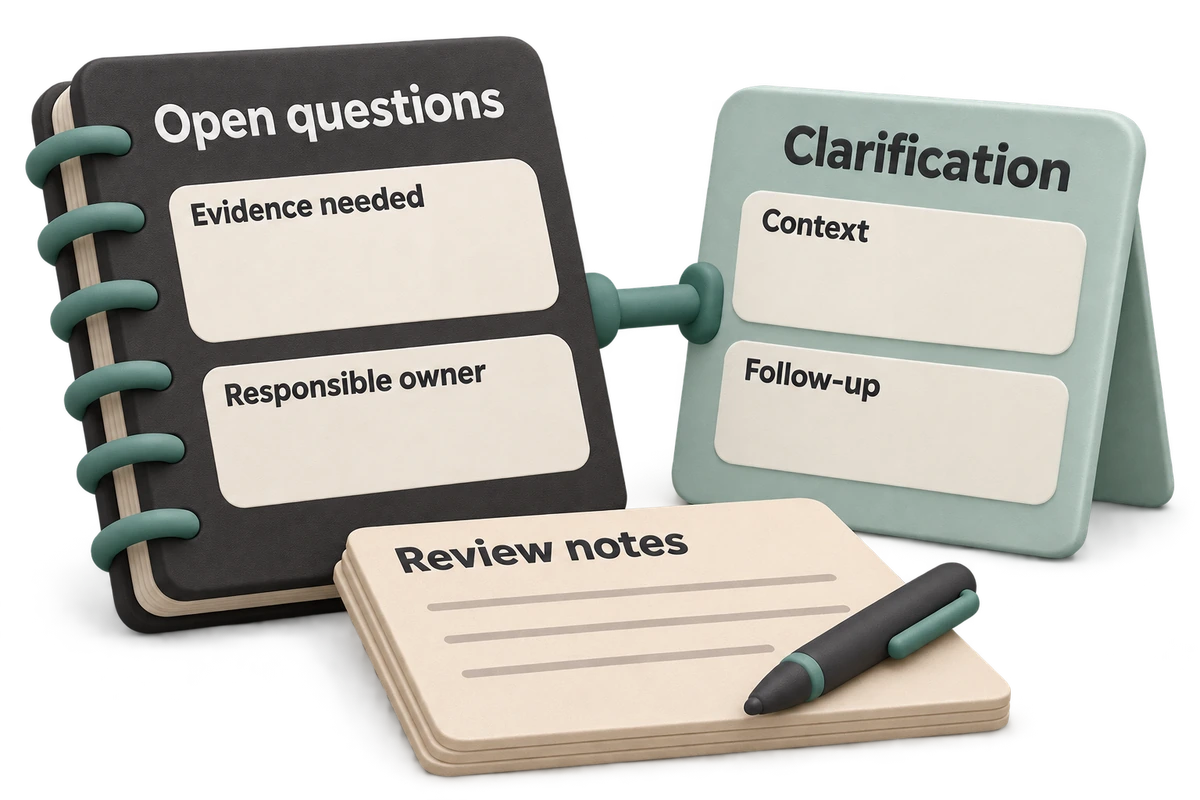
Discuss the evidence and responsibilities with the people who understand the control or supplier relationship. Ask focused follow-up questions where an answer is incomplete, a responsibility is unclear or a record needs context.

Keep unanswered questions distinct from confirmed weaknesses. Record the information requested, the responsible owner and what it means for the review, so uncertainty remains visible rather than turning into an unsupported conclusion.

Report findings and follow-up

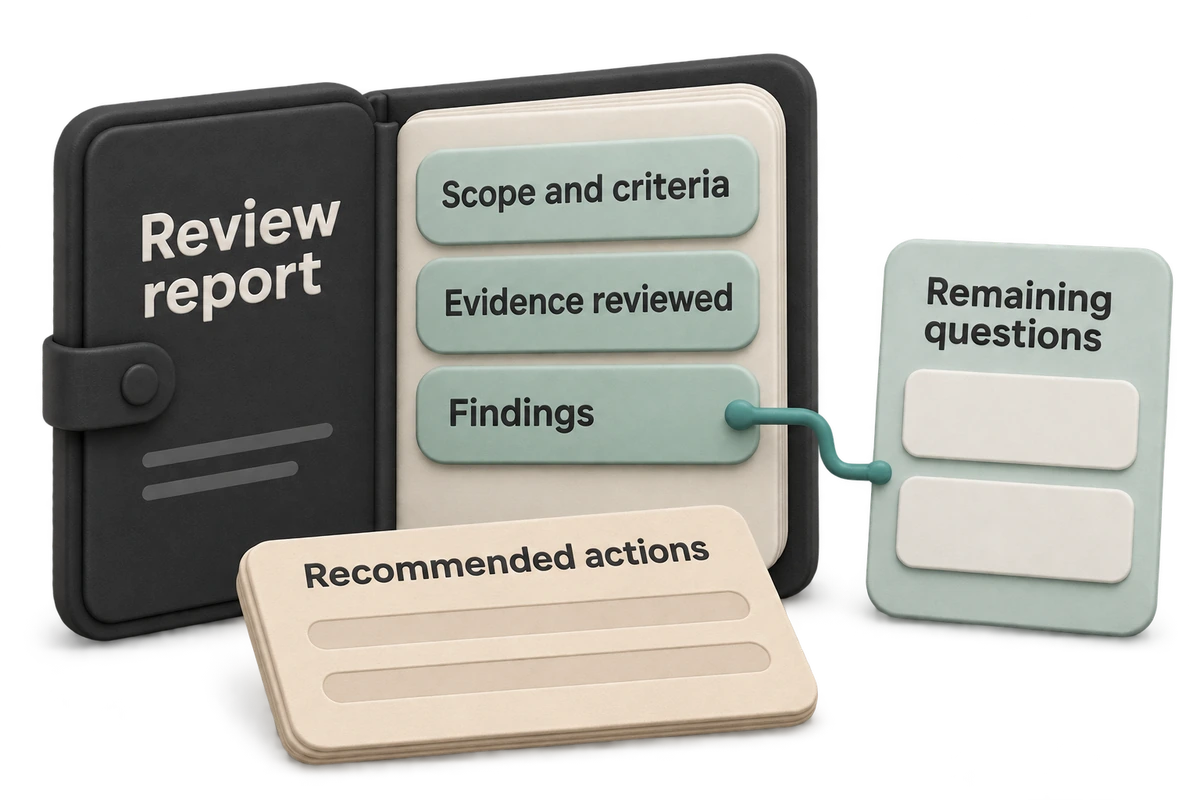
Bring the evidence reviewed, findings and recommended actions into a concise report. Explain what supports each finding, where the review is limited and which questions still need attention before a decision is made.

Prioritise follow-up questions and track agreed corrective actions with the relevant owners. Keep proposed actions, confirmed completion and outstanding work distinct, giving your business a clear basis for deciding what happens next.

A clearer basis for your decision

Receive a concise report covering the evidence reviewed, the findings and the recommended actions within the agreed scope.

A clear review boundary
The agreed purpose, scope and criteria, with the context needed to understand the coverage and limitations.
An account of the evidence reviewed
The relevant records and assurances considered, linked to the controls or criteria they help address.
Findings with uncertainty visible
A concise explanation of what is demonstrated, where information is missing and what still needs clarification.
Recommended actions and follow-up
Prioritised questions and agreed corrective actions, with responsible owners and outstanding decisions made clear.

The report keeps the remaining uncertainties visible so the next step is informed by the evidence available.

Clear responsibilities from the start

Can the review cover internal controls or a supplier?

Yes. The engagement can examine selected security controls within your organisation or evidence provided about a supplier’s service. The purpose, scope and review criteria are agreed before the work starts.

For supplier work, the review considers the service and relationship relevant to your business. The report identifies what was examined and which areas remain outside the agreed coverage.

What information will you review?

Inputs can include selected policies, technical records, questionnaires and supplier assurances. The information needed depends on the control or service being reviewed and the criteria you want to assess it against.

The work also includes discussion with the relevant owners where agreed. Access, document handling and any constraints on sharing supplier material are settled for the engagement.

Is a supplier certificate or questionnaire enough?

A certificate or questionnaire can be useful evidence, but it needs to be understood in context. Its scope, the service it relates to and the questions your organisation needs answered all matter.

The review considers what the available material supports and where further information is needed. A document is not treated as a complete answer to every security concern or as a guarantee about the supplier.

What if the evidence is incomplete?

Missing information is recorded as an open question, with the clarification needed and the relevant owner identified. An unanswered question is kept distinct from a confirmed control weakness.

Where information remains unavailable, the report explains the resulting limit on the findings. Your organisation can then see what needs resolving, further review or a decision before proceeding.

How do you handle independence and conflicts?

Independence and potential conflicts are checked before the engagement begins. The scope makes the review arrangement clear, including any previous involvement in the work being examined.

Hemanth does not present reviews of his own implementation work as independent audits. Where independent assurance is required, suitable review arrangements are agreed before the work proceeds.

Does the review include technical testing?

The engagement defines the evidence review and any other activities included. Reading technical records or reviewing a supplier questionnaire does not establish that independent technical testing has taken place.

If testing is needed to answer a question, its purpose, authorisation, scope and suitable delivery arrangements need separate agreement. The report remains clear about which evidence and activities support its findings.

Who makes the decision and how will we work together?

Your organisation retains responsibility for supplier selection, risk acceptance and approval of corrective actions. The report supports those decisions by explaining the evidence, findings and unresolved questions.

You work directly with Hemanth. Remote delivery is the default, with working overlap, access to relevant owners and review points agreed for the engagement. Any follow-up activity is defined within that scope.

Let’s clarify your next decision

Talk through the review you need and agree a practical next step.