Hemanth Vishnu Advisory

Turn Essential Eight gaps into action

Understand your Essential Eight position and turn the gaps into practical improvements, with clear owners and evidence.

A clearer basis for your security work

Essential Eight readiness brings the maturity objective, technical controls and supporting evidence into one review. It helps you understand where the environment stands and which improvements need attention.

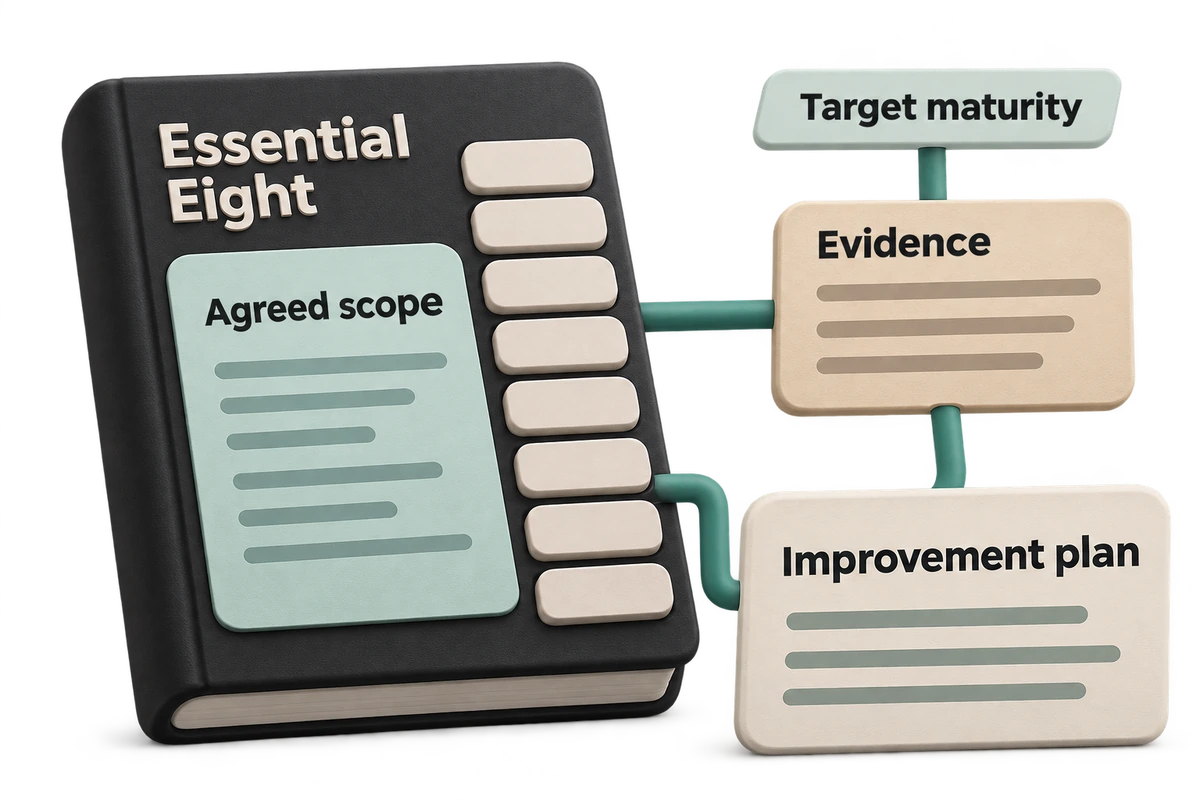
The work covers the eight strategies against an agreed target, with a documented boundary and practical actions for your IT owners. Maturity conclusions depend on the requirements and evidence actually reviewed.

This service can help when:

  • A customer or contract asks for an Essential Eight maturity position
  • You need to agree a suitable target and the systems it covers
  • Controls are in place, but their coverage and evidence are unclear
  • Your IT owners need a practical plan for the remaining work

From maturity objective to practical work

Agree the boundary and target

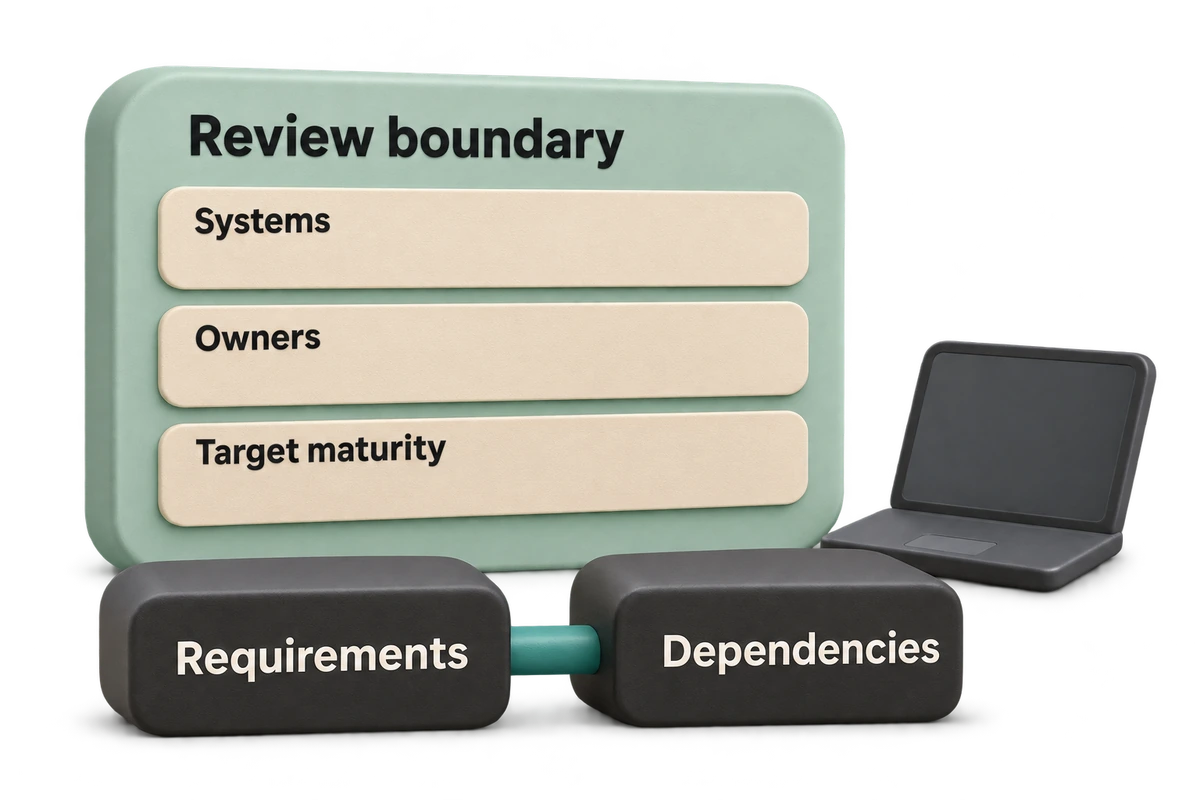
Start with the reason for the review: a customer requirement, contract, internal security objective or existing uplift programme. Agree the systems, users and services in scope, the target maturity level and the version of ASD guidance that will be used.

Identify the people and providers who own the relevant technology. Record exclusions, dependencies and access needs early, so the review has a clear boundary and the findings can be understood in context.
Look beyond the control settings

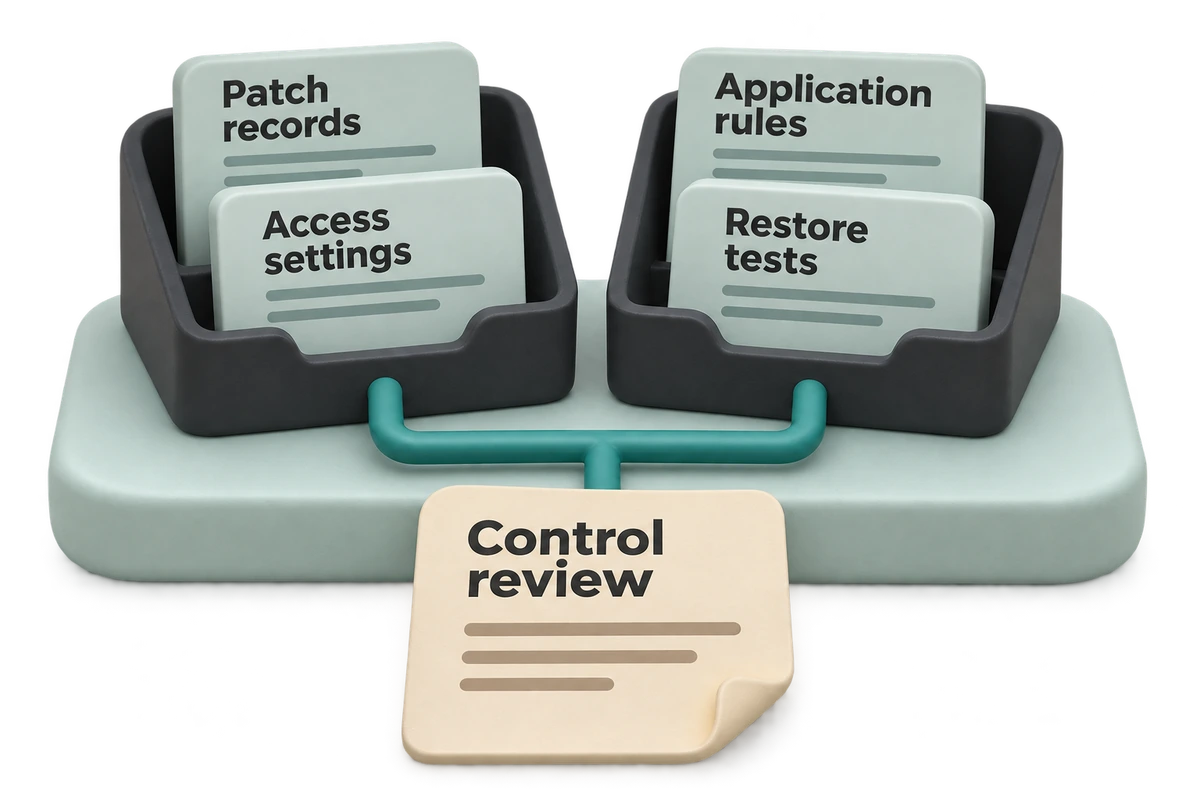
Review all eight strategies: application control, application patching, Microsoft Office macro restrictions, user application hardening, administrative privileges, operating system patching, multi-factor authentication and regular backups.

Examine the relevant configuration and operating evidence against the agreed target. Depending on scope, this may include deployment coverage, patch records, access arrangements, application rules and restoration testing. A setting on one device does not establish coverage across the environment.

Give the gaps a workable plan

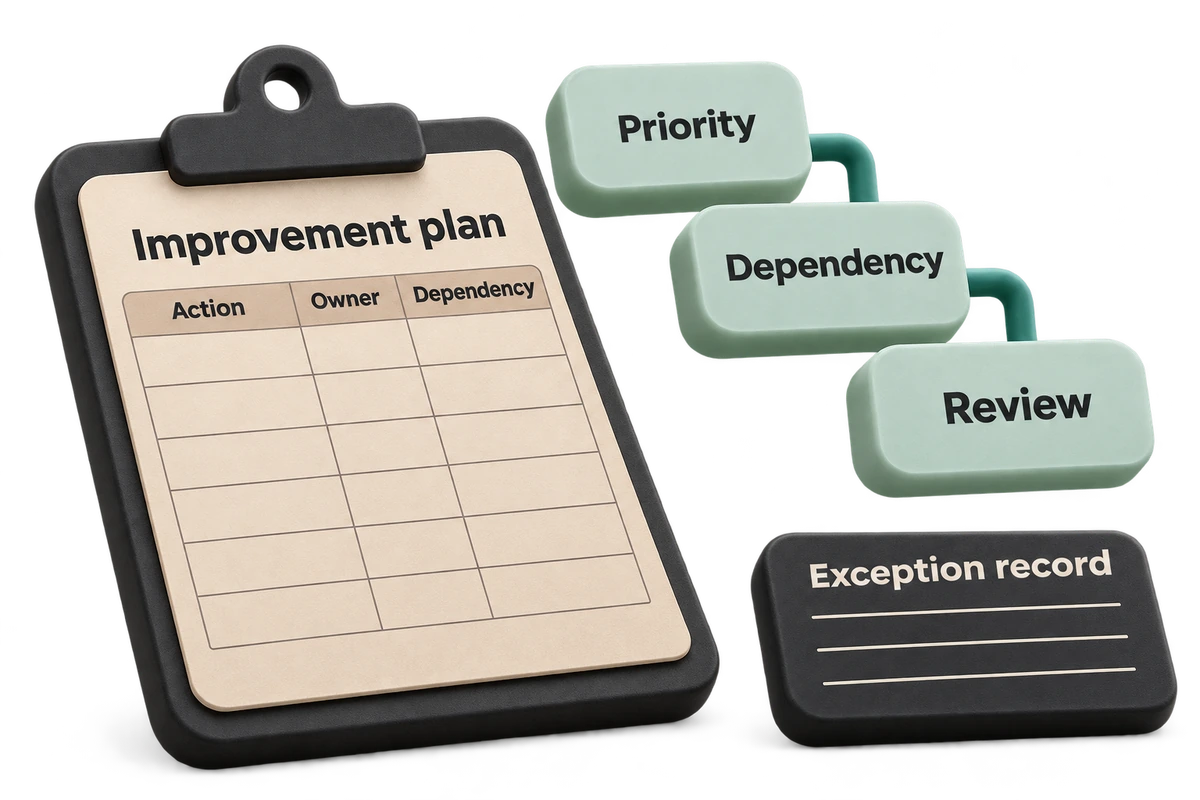
Connect each finding to the relevant requirement, evidence and affected systems. Separate confirmed gaps from questions that still need investigation, then prioritise the work around risk, dependencies and the effort needed to address it.

Agree owners and a sensible sequence with your IT staff or provider. Record exceptions and compensating controls for the organisation’s approval and review, including where a legacy system or business dependency needs a separate decision.

Check what the improvements changed

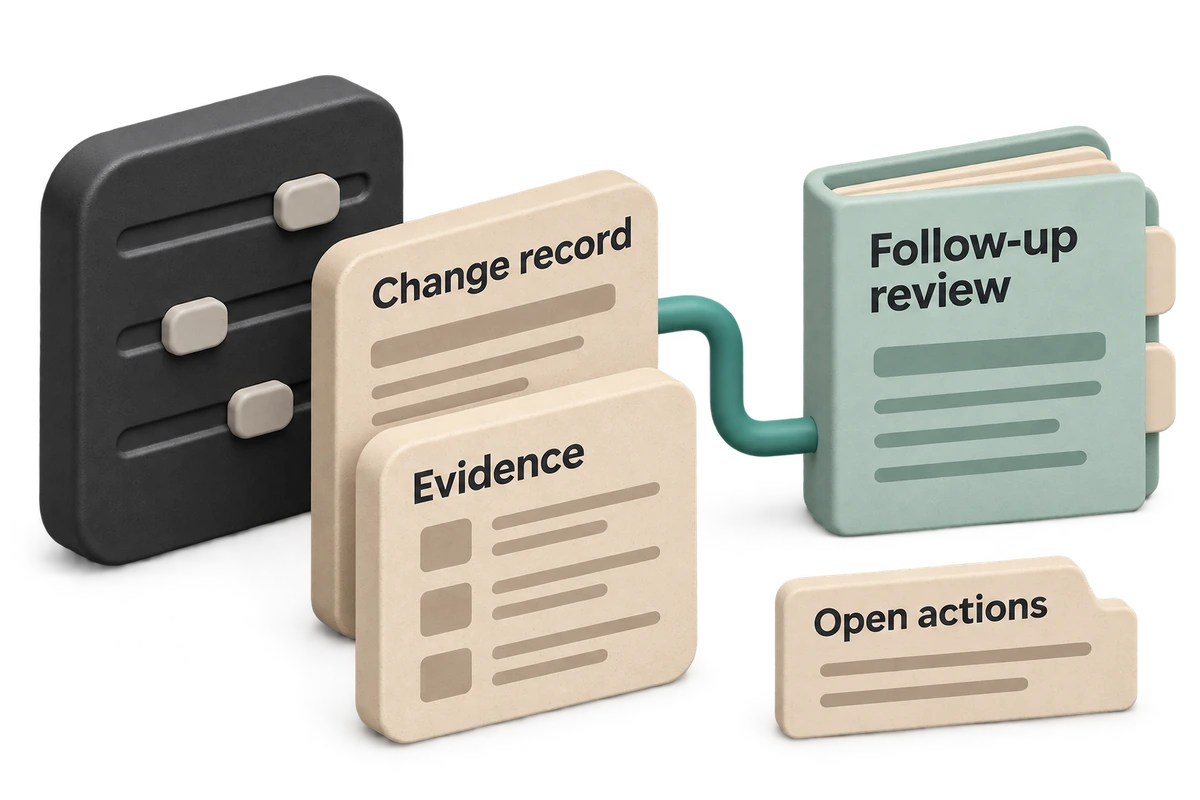
Coordinate the remediation agreed for the engagement, with responsibilities, access, approvals and change arrangements defined around your environment. Record what changed and gather evidence of the resulting control coverage with the relevant IT owners.

Revisit the affected findings when the agreed evidence is available. Update the readiness record to distinguish verified progress, outstanding work and anything not reviewed. Conclusions stay within the systems, requirements and evidence actually examined.

Know where you stand and what comes next

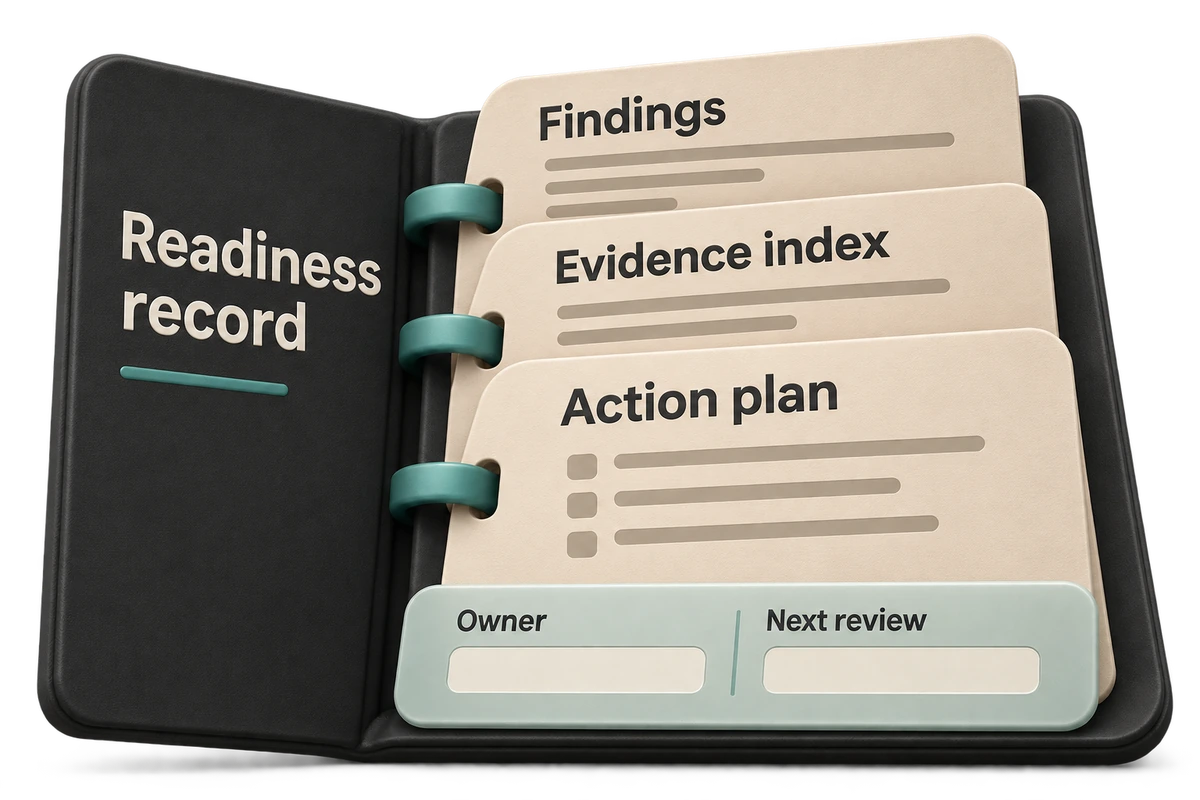
Receive a readiness record and improvement plan that connect the findings with their evidence, owners and next steps.

A scoped readiness position
The agreed boundary, target maturity and guidance basis, with reviewed controls, findings and limits clearly recorded.
An evidence index
Source records connected to the requirements and systems they support, with missing or incomplete evidence visible.
A prioritised improvement plan
Owned actions, dependencies and exceptions, so your IT staff or provider can see what needs to happen and in what order.
A record of agreed progress
Changes and follow-up findings supported by the evidence reviewed, with open actions and remaining decisions kept clear.

The handover gives your organisation and IT owners a shared basis for the remaining work and any separately required assessment.

Clear responsibilities from the start

Is Essential Eight a certification scheme?

Essential Eight is a framework and maturity model. Hemanth Vishnu Advisory does not issue a government certificate or represent ASD.

A directive, regulator or contract may require an independent assessment. Identify that requirement at the start so the readiness work, assessor and expected evidence are aligned.

What does the move to ASD Essentials mean?

ASD has published ASD Essentials and guidance for transitioning an existing Essential Eight implementation. Existing investment and current evidence can support that work, but Essential Eight maturity ratings do not automatically convert into ASD Essentials effectiveness ratings.

This service remains focused on the agreed Essential Eight requirement and maturity target. Confirm the framework your customer, contract or organisation requires before settling the scope. A broader transition review needs its own agreed scope.

How do we choose a target maturity level?

Start with the obligations you need to meet and the threats and consequences relevant to your environment. Agree the target before reviewing the controls, rather than choosing it from the strongest individual setting.

ASD recommends progressing across all eight strategies to the same maturity level before moving higher. The review uses the requirements for the agreed target and records where evidence or coverage is incomplete.

Will the review cover every system and technology?

The engagement defines the systems, users, services, owners and evidence included. The Essential Eight was designed for internet-connected IT networks; operational technology and other environments can need different or additional controls.

Clarify specialist environments, third-party dependencies and inaccessible systems during scoping. Exclusions remain visible in the readiness record, so a conclusion about selected systems is not read as an assessment of everything.

Can you help address the findings?

Yes. The service includes a prioritised plan and coordination of agreed remediation with your IT owners. The engagement sets out the improvements included, who carries them out and the access and approvals they need.

A recommendation or assigned action is not recorded as an implemented control. Progress is updated from the changes and evidence reviewed, with dependencies and outstanding work made explicit.

What if evidence is missing or an exception is needed?

Missing evidence is recorded as an evidence gap or unresolved question. It does not, by itself, establish how a control operates. Further records, owner input or agreed checks may be needed before reaching a conclusion.

Exceptions need a reason, defined scope, an accountable decision and appropriate review. Your organisation approves risk decisions and compensating arrangements; the readiness work records their relevance to the agreed requirements.

How will we work together?

You work directly with Hemanth. Remote delivery is the default, with working overlap, meetings, system access and review points agreed for the engagement.

Your organisation retains approval of changes and risk decisions. Where an independent assessment is needed, its scope and acceptance requirements are confirmed separately; readiness conclusions remain limited to the evidence reviewed.

Let’s make your next security step clear

Talk through your maturity objective and agree a practical next step.